


Since the Bronze Age, people have used aggregate materials to make strong and durable buildings and infrastructure.
Whether it’s gravel for a driveway, crushed concrete for a sub-base, or asphalt for resurfacing roads, aggregates have long made the world go round.
But what exactly are aggregate materials? And what role do they play in modern, sustainable construction?
What are aggregate materials?

Aggregate materials are hard, granular substances—like sand, gravel, crushed stone, or even recycled concrete—that are used in just about every corner of the construction world.
They’re either quarried directly from the earth, recovered as byproducts from industrial processes, or recycled from things like old buildings, roads, and pavements.
Used alone or mixed with binding agents like cement, lime or bitumen, they form the backbone of many construction applications.
RELATED: Eco-friendly road construction materials changing course of UK
Aggregate materials have been around for thousands of years. The Romans used aggregates in their concrete to build roads and aqueducts.
Today, the UK construction industry relies on strict standards to ensure the quality and consistency of these materials. For example:
- BS EN 13242: Aggregates for unbound and hydraulically bound materials in civil engineering.
- BS EN 12620: Aggregates for concrete.
- BS EN 13043: Aggregates for bituminous mixtures.
- BS 13139: Aggregates for mortar.
- BS 812: Methods for sampling and testing aggregates.
MORE: 10mm shingle: When and how to use it
The three types of aggregates: Primary, secondary, and recycled

Aggregates are sorted into three broad categories. The differences lie in where they come from and how they’re processed.
Primary aggregates
These are virgin materials, directly quarried or mined for use in construction, like natural sand, gravel, and crushed rock. They’re cleaned, sorted by size, and used widely across the industry.
Secondary aggregates
These are byproducts from industrial processes, such as furnace slags or pulverised fuel ash. They’re repurposed to reduce waste and environmental impact, an increasingly important focus in today’s industry.
Recycled aggregate materials
These come from construction and demolition waste: old concrete, brickwork, asphalt, crushed glass, and spent rail ballast, for example. Thanks to advances in technology, recycled aggregate materials can now meet the same performance standards as quarried options. They’re a smart, sustainable choice, and they’re playing a key role in the industry’s shift toward a circular economy.
MORE: 5 benefits of using recycled aggregates in construction
In England, Wales, and Northern Ireland, recycled aggregates are governed by a quality protocol developed by the Environment Agency and WRAP (The Waste and Resources Action Programme). This sets out the criteria for when waste-derived aggregates are no longer considered waste, making them legally and commercially viable for use.
Common types of aggregate materials

Choosing the right aggregate material means understanding its properties: size, shape, durability, and strength. Here’s a run-through of the most commonly used types of aggregate materials in UK construction:
- Granite: Known for its hardness and frost resistance. Ideal for high-strength concrete, road construction, and even decorative finishes.
- Limestone: A versatile choice used in road bases, concrete, and for producing lime to treat acidic soils.
- Sandstone: Durable and weather-resistant, making it suitable for building materials, paving, and asphalt.
- Igneous rock: Extremely hard and durable, great for concrete, roads, and heavy-duty landscaping.
- Sand and gravel: Available as building sand, grit sand, and fill sand. Used in mortar, screed, capping, ducting, and drainage.
- Crushed stone and shingle: Widely used in sub-bases and drainage. Also popular in landscaping due to their variety in colour and texture.
- Slag: A steel industry byproduct that’s useful in concrete and soil improvement.
- Pipe bedding: Crushed rock screened to allow water flow, used for drainage and laying pipes.
- Clean stone: A coarse aggregate with fines removed, ideal where drainage is a priority, such as under utilities.
- Clay: Used for lining ponds, landfill sites, and water containment. Also the base for traditional brickmaking.
- Expanded clay: Lightweight and thermally insulating, often used in lightweight concrete and hydroponics.
- Demolition waste and crushed concrete: A cost-effective and environmentally friendly alternative to virgin aggregates.
- Recycled asphalt: Old roads get a second life when crushed and reused in new tarmac layers.
- Type 1 sub-base: Crushed rock aggregate (0–40mm) used in road and path foundations.
- 6F2/6F5 capping: Larger crushed material (0–75mm), often used below sub-base layers for strength and stability.
How aggregates are used in construction and landscaping

Aggregates might not be glamorous, but they’re the unsung heroes of construction. Whether used loose or bound into composite materials, they serve vital roles:
- Concrete: Aggregates make up 60–80% of a concrete mix, adding strength, bulk, and workability.
- Roads and pavements: Aggregates provide the load-bearing strength needed for heavy traffic and long-term durability.
- Foundations and sub-bases: Crushed stone and gravel stabilise the ground for buildings, roads, and infrastructure.
- Drainage systems: Washed aggregates are used to promote water flow around pipes and in French drains.
- Precast products: Bricks, blocks, paving slabs, and kerbs all rely on aggregate content for strength and durability.
- Landscaping: Pebbles, crushed stone, and decorative aggregates bring structure and style to outdoor spaces.
RELATED: Sustainable landscaping: A more eco-friendly approach
Why recycled aggregate materials are gaining ground
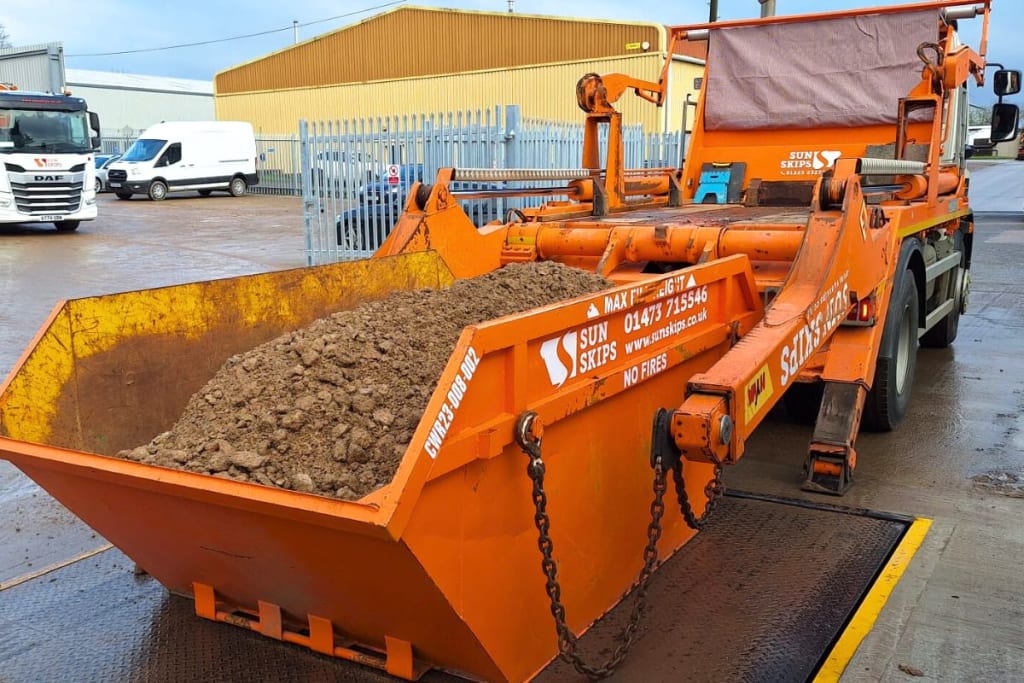
Construction is one of the largest consumers of natural resources—and one of the biggest producers of waste. That’s why the industry is turning to recycled aggregate materials in a big way.
Mining virgin materials isn’t just energy-intensive, it also scars the landscape and consumes vast transport resources. Recycled aggregates offer a smarter way forward. They’re processed from demolition waste, cleaned, and regraded to meet the same standards as primary aggregates.
Using recycled aggregates lowers costs, especially when sourced locally. On-site recycling is also becoming more common, where waste from demolition is crushed and reused in the same development. That’s less waste to landfill, less haulage, and fewer CO₂ emissions.
What SunAggregates brings to the table
At SunAggregates, we take demolition waste and give it a second life. We process and produce high-quality recycled aggregate materials that match the standard of quarried alternatives.
We work across the full lifecycle, from demolition and material recovery to recycling and supply. Our goal is to make it easy for our partners to build sustainably, without compromising on quality or value.
The future of construction isn’t just about building bigger and faster—it’s about building smarter. Aggregate materials, especially recycled ones, are central to that future. By choosing sustainable options, we protect resources, reduce emissions, and literally pave the way for a better-built environment.
If you’d like to learn more or explore how we can support your next project, get in touch with the team at SunAggregates today.

